Outsourced vs In-House Internal Audit: Which Is Right for Your SME?
Both approaches have genuine advantages. The right choice depends on your business size, complexity, budget, and specific needs. Here is how to decide.

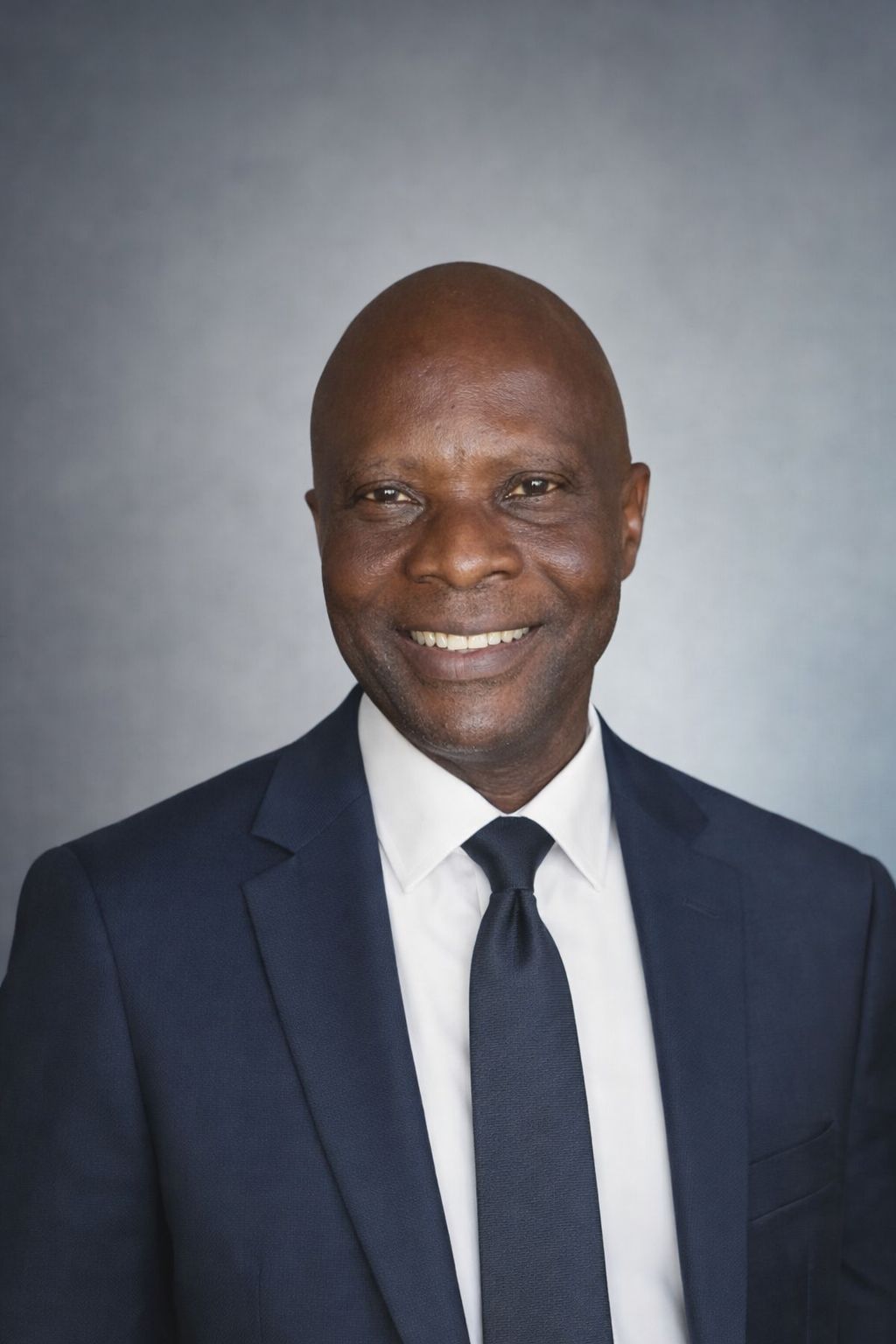
Benjamin Ayodele
Principal Consultant, Ried Management Consulting
22 July 2025
If you run a small or medium-sized business in Nigeria, the idea of an internal audit might sound like something only banks and oil companies need to worry about. That assumption costs Nigerian SMEs millions of naira every year.
Internal audit is not about compliance paperwork or ticking boxes for regulators. At its core, it is a systematic process for evaluating whether your business controls are working as intended. It answers a simple question: is your money going where it should, and can you prove it?
Most Lagos businesses operate in a high-trust, low-verification environment. The owner trusts the accountant. The accountant trusts the cashier. The cashier trusts the delivery driver. Somewhere along that chain, money leaks out — not necessarily through outright theft, but through inefficiency, errors, and the kind of casual financial management that becomes habit when nobody is checking.
We see this pattern repeatedly in our consulting work. A trading company that cannot reconcile its inventory. A logistics firm where fuel costs keep rising but fleet utilisation stays flat. A retail chain where profit margins shrink every quarter despite growing revenue. In each case, the underlying issue is the same: nobody is independently verifying what the financial reports claim.
An internal audit function provides independent assurance. It sits apart from your day-to-day accounting team and reviews your financial processes with fresh eyes. A good internal audit will examine your cash handling procedures, verify that purchases and payments match up, test whether your inventory records reflect physical stock, and assess whether your financial controls are actually being followed.
This is not about catching thieves — though it does that too. It is about creating an environment where errors are spotted early, waste is identified quickly, and financial decisions are based on accurate information.
Large companies have layers of management, segregated duties, and compliance departments. SMEs typically do not. In a typical Lagos SME, the same person might raise purchase orders, receive goods, and approve payments. That concentration of responsibility creates risk — not because your staff are dishonest, but because there is no safety net when mistakes happen.
The smaller your business, the more damage a single financial control failure can cause. A multinational can absorb a ten-million-naira discrepancy. For most SMEs, that kind of loss could mean missing payroll or defaulting on a supplier.
The good news is that you do not need a full internal audit department. For most Nigerian SMEs, a quarterly or monthly review by an experienced external auditor is sufficient. This outsourced approach gives you the expertise and independence you need without the overhead of a permanent hire.
The key is to start with what matters most to your business. If you are in trading or manufacturing, begin with inventory controls and procurement processes. If you are in services, focus on revenue recognition and expense approvals. If you handle significant cash, start with cash management and bank reconciliations.
We recently worked with a mid-sized Lagos distribution company that had never conducted an internal audit. Within the first two weeks of our review, we identified over fifteen million naira in stock discrepancies, duplicate supplier payments, and unapproved expense claims. The business owner had no idea the losses were occurring because his monthly financial reports — prepared by his own accounting team — showed everything was fine.
This is not unusual. It is, in fact, the norm for businesses that have not implemented proper oversight.
If you have never had an internal audit, the first step is a comprehensive financial health check. This baseline assessment identifies your most significant financial risks and tells you exactly where to focus your audit resources.
Every successful Nigerian business eventually reaches a point where trust alone is not enough. The businesses that thrive long-term are the ones that build proper financial oversight early — not after a crisis forces their hand.

Benjamin Ayodele
Principal Consultant
With over 25 years of experience in financial management consulting — including tenure at Akintola Williams Deloitte — Benjamin leads Ried Management Consulting's mission to bring enterprise-grade financial oversight to Nigerian SMEs.
Learn more about Benjamin →Book a free 30-minute discovery call. No pressure, no jargon — just practical advice from 25 years of experience.