The Role of Management Accounts in Growing Your Lagos Business
If you cannot tell me right now what your net profit was last month, your business has a management accounting problem. Here is why it matters and how to fix it.

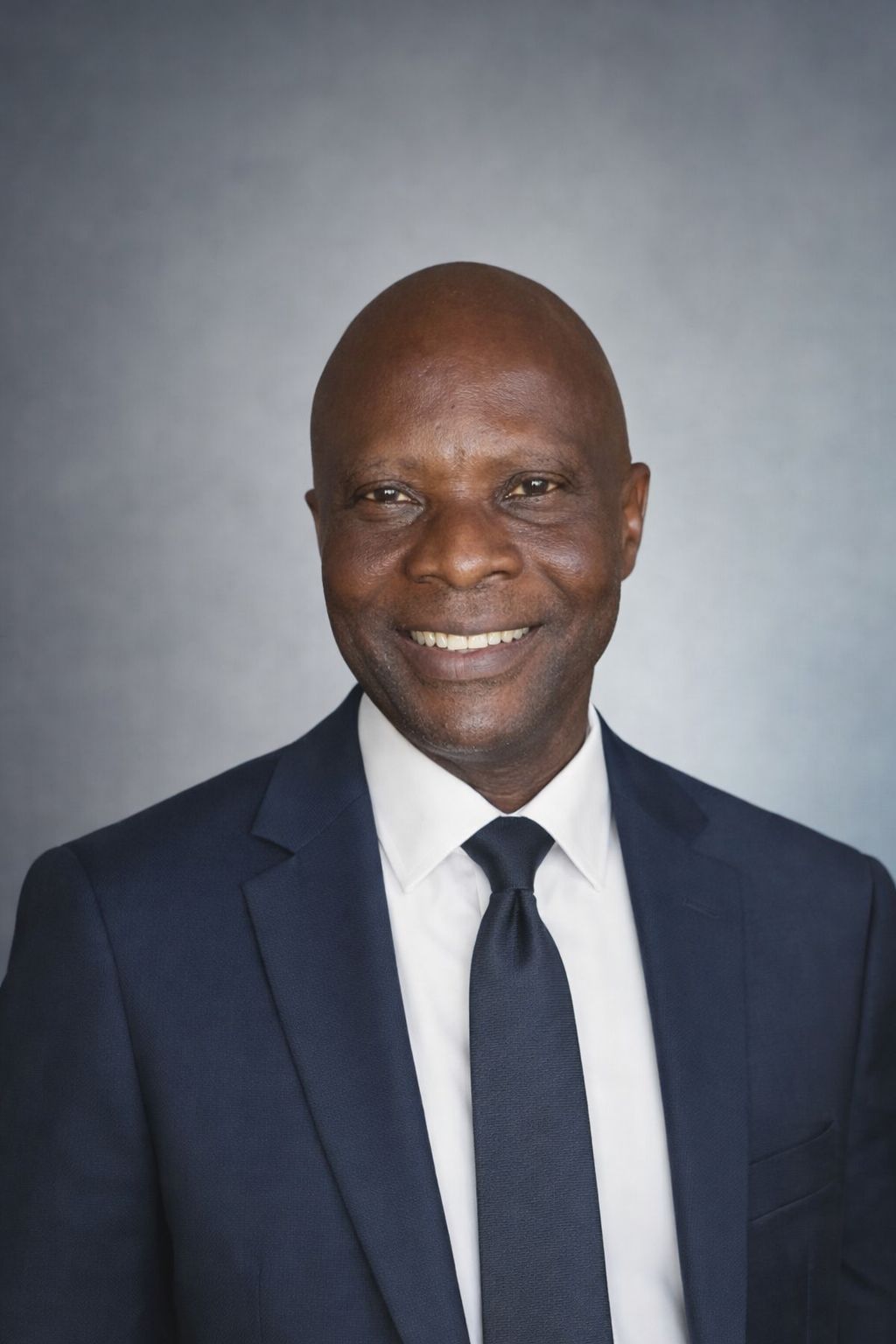
Benjamin Ayodele
Principal Consultant, Ried Management Consulting
18 August 2025
Profitable businesses fail every day in Lagos. Not because they lack customers or deliver poor products, but because they run out of cash. Understanding the difference between profit and cash — and managing cash flow proactively — is perhaps the most critical financial skill any Nigerian business owner can develop.
This is the concept that trips up most entrepreneurs. Your business can be profitable on paper and still be unable to pay salaries, suppliers, or rent. How? Because profit is an accounting concept that recognises revenue when it is earned, not when cash is received.
If you sell goods worth ten million naira on thirty-day credit terms, your accounts show ten million in revenue immediately. But your bank balance does not change until the customer actually pays — which, in Lagos, often means sixty or ninety days later if you are lucky. Meanwhile, you have already paid your suppliers, your staff, your rent, and your transport costs. The gap between when you pay out cash and when you receive it is your cash flow cycle, and managing it is the difference between a business that grows and one that constantly scrambles to meet its obligations.
You cannot manage what you do not monitor. Every business owner should know their exact cash position — across all bank accounts — at the start of every business day. This sounds basic, but the majority of Nigerian SMEs rely on rough mental estimates or weekly checks rather than daily monitoring.
Set up a simple daily cash report. It takes five minutes and can prevent decisions that lead to cash crises.
The single biggest cash flow improvement for most Nigerian SMEs comes from collecting money faster. Review your credit terms — are thirty-day terms standard in your industry, or have you simply never questioned them? Consider offering a small discount for payment within seven days. For new customers, require payment before delivery until they establish a track record.
Most importantly, follow up on overdue invoices immediately and systematically. Do not wait until you need the money to start chasing it. Implement a structured collection process: a reminder on the due date, a follow-up call three days later, a formal demand at fourteen days, and escalation at thirty days.
While you work to collect faster from customers, negotiate longer payment terms with suppliers. Even an additional fifteen days can significantly improve your cash position. Suppliers who value your business will often extend terms if you ask — particularly if you have a good payment history.
Consider consolidating purchases with fewer suppliers to increase your negotiating leverage. A supplier who receives a larger share of your business is more likely to offer favourable terms.
Every Lagos business should maintain a cash reserve equivalent to at least one month of fixed costs. This buffer protects you against late customer payments, unexpected expenses, and seasonal fluctuations. It also gives you the confidence to negotiate from a position of strength rather than desperation.
Building this reserve takes discipline — it means resisting the temptation to invest every available naira back into the business immediately. But the security it provides is invaluable.
A cash flow forecast projects your expected cash inflows and outflows over the coming weeks and months. It tells you in advance when cash will be tight, giving you time to arrange financing, accelerate collections, or defer non-essential spending before a crisis develops.
Your forecast does not need to be complex. A simple spreadsheet showing expected receipts, expected payments, and the resulting cash balance week by week is sufficient. Update it weekly and review it as part of your regular management routine.
Maintain at least two business bank accounts — one for daily operations and one for reserves, tax provisions, and future commitments. This simple step prevents you from accidentally spending money that is earmarked for other purposes. When your operating account shows a healthy balance, it is tempting to assume you have cash to spare. But if that balance includes next month's VAT payment and your quarterly rent, the picture is very different.
Ultimately, cash flow management is about discipline more than sophistication. The strategies above are straightforward. The challenge is implementing them consistently, week after week, even when business is good and cash feels plentiful. The businesses that maintain financial discipline during good times are the ones that survive and grow through difficult periods. And in the Lagos business environment, difficult periods are never far away.

Benjamin Ayodele
Principal Consultant
With over 25 years of experience in financial management consulting — including tenure at Akintola Williams Deloitte — Benjamin leads Ried Management Consulting's mission to bring enterprise-grade financial oversight to Nigerian SMEs.
Learn more about Benjamin →Book a free 30-minute discovery call. No pressure, no jargon — just practical advice from 25 years of experience.